 Birch Bay Roofing
 Roof Replacement Built for Lynden's Weather
Lynden homes sit inland from the water, but that doesn't mean the roof gets an easier ride. Whatcom County's marine-influenced weather reaches the whole region, and Lynden gets its own version of the same problem every other town around here deals with: long stretches of low-intensity rain, short dry windows, and shade-heavy yards that never let a roof fully dry out between storms. Add in the driving rain that comes sideways off a west wind and a moss season that can run eight months out of the year, and you've got a roofing environment that punishes shortcuts. A roof replacement done right in Lynden isn't the same job as one done in a dry inland climate, and it shouldn't be treated that way.
This page is specifically about full roof replacement for Lynden homes — not a general overview of roofing services. If you're trying to figure out whether your roof needs a repair, a partial re-roof, or a full tear-off and replacement, or you're planning ahead for one, this is written for you.
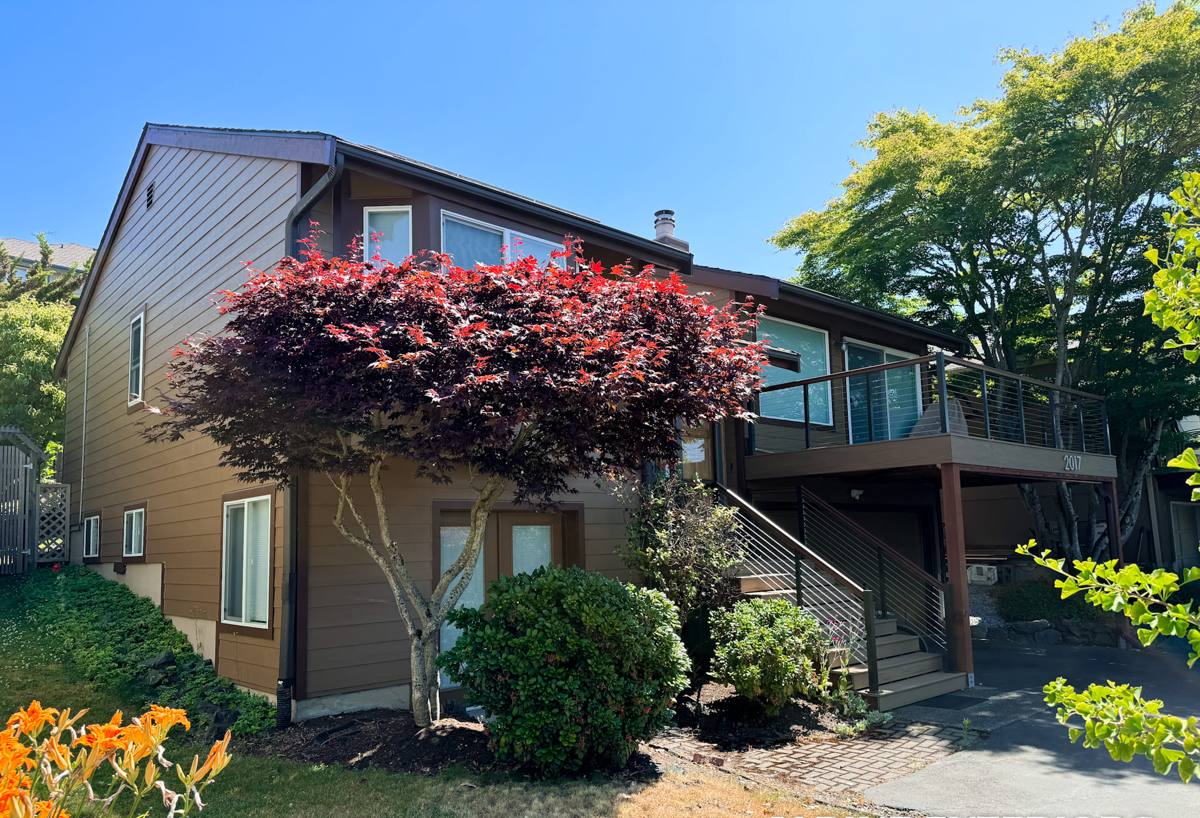
What Whatcom County Weather Does to a Roof Over Time
Roofs in this region don't usually fail from one dramatic event. They wear out from years of repeated exposure to the same conditions:
- Moss and organic growth: Shaded roof sections, north-facing slopes, and areas under overhanging trees stay damp longer, giving moss and algae a foothold. Moss holds moisture against the roofing material and works its way under shingle edges over time.
- Driving rain: Wind-driven rain doesn't just sit on the roof surface — it gets pushed up under shingle tabs, into flashing seams, and around any penetration that isn't sealed correctly. A roof that's fine in a straight downpour can still leak in a sideways one.
- Slow-drying conditions: Long overcast stretches mean roofing materials, decking, and underlayment spend more time damp than they would in a drier climate. That accelerates wear on anything that wasn't installed with proper ventilation and moisture management in mind.
- Temperature swings: Whatcom County isn't extreme, but the freeze-thaw cycles that do happen stress roofing materials and fasteners, especially once they're already compromised by age or moisture.
None of this means Lynden is a hard place to keep a roof healthy. It means the materials, the installation details, and the ventilation strategy all matter more here than they would somewhere dry.
Signs a Lynden Home Needs Replacement, Not Repair
Not every roof problem calls for a full replacement, and we'll always tell you honestly when a repair is the right call instead. But certain signs point toward replacement being the more responsible long-term choice:
- Granule loss heavy enough that shingles look patchy or bald in sections, not just around the edges
- Multiple layers of moss or algae staining that keeps coming back after cleaning
- Shingles that are curling, cupping, or cracking across large sections rather than isolated spots
- Soft or spongy decking felt underfoot during inspection — a sign moisture has reached the wood
- Leaks that show up in more than one location, especially after driving rain rather than heavy straight-down rain
- A roof approaching or past the manufacturer's expected service life for its material type
If your roof only shows one or two of these signs in a limited area, targeted repair may still make sense. A full replacement becomes the right call when the underlying materials — not just the surface — are compromised across most of the roof.
What a Correct Roof Replacement Actually Involves
Tear-Off, Not Overlay
In a climate like this one, we don't recommend roofing over an existing layer. Overlaying traps moisture that's already worked its way into old materials and hides decking problems instead of fixing them. A full tear-off lets us see exactly what condition the deck is in before anything new goes down.
Deck Inspection and Repair
Once the old roofing is off, the decking gets inspected for soft spots, rot, or delamination — common in areas that have been dealing with slow leaks or trapped moisture. Any compromised sections get replaced before the new roofing system goes on. This step is where a lot of shortcuts happen on cheaper jobs, and it's the one that matters most for long-term performance.
Underlayment
Given how much wind-driven rain this region sees, we treat underlayment as a real second layer of protection, not a formality. That includes ice-and-water shield style membrane at eaves, valleys, and other vulnerable areas where wind-driven moisture is most likely to find a way in.
Flashing
Flashing around chimneys, vents, skylights, and roof-to-wall transitions is one of the most common points of failure on older roofs, and it's often reused or patched instead of replaced during cheaper re-roofs. We replace flashing as part of a full replacement rather than working around it.
Ventilation
Proper intake and exhaust ventilation keeps the attic space from trapping the kind of moisture that feeds moss growth and shortens shingle life from underneath. A roof replacement is the right time to correct ventilation problems that may have been contributing to premature wear on the old roof.
Material Options for Lynden's Climate
There's no single "best" roofing material for every home — it depends on your roof's pitch, sun and shade exposure, budget, and how long you want the roof to last before thinking about it again. Here's how the common options stack up for this climate specifically:
| Material | Moss Resistance | Wind-Driven Rain Performance | Typical Lifespan | Notes for Lynden Homes |
|---|---|---|---|---|
| Asphalt composition shingle | Moderate (better with algae-resistant granules) | Good when properly flashed and underlaid | 20–30 years | Most common choice; cost-effective with solid warranty options |
| Architectural/dimensional shingle | Moderate to good | Very good | 25–35 years | Heavier profile sheds water and resists uplift better than 3-tab |
| Metal roofing | Excellent | Excellent | 40–60 years | Sheds moss and moisture fast; higher upfront cost, lower long-term maintenance |
| Cedar shake | Poor without diligent upkeep | Moderate | 20–30 years with maintenance | We're honest that this climate is hard on wood shakes; requires ongoing treatment to manage moisture and moss |
We don't push one material on every homeowner. What we do is explain the real maintenance trade-offs for each option given how much moisture and shade this region deals with, so you're choosing with full information rather than a sales pitch.
How Our Replacement Process Works
- On-site inspection: We walk the roof, check the decking where accessible, look at ventilation, and assess flashing and penetration points — not just the shingle surface.
- Honest assessment: We'll tell you plainly whether you need a full replacement or whether repair is still a reasonable option, even if that means a smaller job.
- Written estimate: A clear breakdown of materials, scope, and cost — no vague allowances that turn into surprise add-ons later.
- Scheduling around weather: Given how much of the year sees rain here, we plan tear-off and dry-in carefully so your home isn't exposed longer than necessary.
- Tear-off and deck repair: Old roofing comes off, decking gets inspected and repaired as needed, and everything is documented before we cover it back up.
- Underlayment, flashing, and material installation: Installed to manufacturer specification, with extra attention to the details that matter most in wind-driven rain.
- Final walkthrough: We go over the completed work with you and make sure everything meets the standard we'd expect on our own homes.
Why Local Experience in Lynden Matters
A roof replacement isn't just about the materials — it's about knowing how they perform in the conditions your specific home actually faces. A crew that regularly works Lynden and the surrounding Whatcom County area already understands things that take an outside crew time to learn: how shaded lots hold moisture longer, which roof orientations tend to develop moss fastest, what local permitting and inspection expectations look like, and how to schedule work around a weather pattern that doesn't always cooperate.
That local familiarity translates into fewer surprises during the job and a roofing system that's actually specified for the way this region behaves — not a generic install that happens to be located here.
Before You Hire: A Practical Checklist
- Get a written estimate that itemizes materials, tear-off, deck repair allowance, and labor separately
- Ask what underlayment and ice-and-water shield products will be used, and where
- Confirm flashing will be replaced, not reused, around chimneys, vents, and skylights
- Ask how attic ventilation will be addressed as part of the job, not treated as a separate afterthought
- Confirm licensing, insurance, and manufacturer warranty certification for the material you're choosing
- Ask how they plan to protect your home and landscaping during tear-off, especially given regional rain patterns
A contractor who answers these questions clearly and specifically, without hedging, is a good sign. Vague answers usually mean vague workmanship.
Planning a Roof Replacement in Lynden
Whether your roof is showing clear signs of failure or you're planning ahead before it becomes an emergency, a roof replacement is a significant investment — and one that's worth getting right the first time in a climate that doesn't forgive shortcuts. We'd rather walk your roof, give you a straight answer, and let you decide with real information than push a sale.
If you'd like a free, no-pressure estimate for your Lynden home, use the form below and we'll schedule a time to take a look.