 Birch Bay Roofing
 Roof Repair Built for Semiahmoo's Waterfront Conditions
Semiahmoo sits right up against Semiahmoo Bay, and that waterfront location shapes everything about how a roof ages here. Homes get near-constant exposure to salt-laden air, wind-driven rain off the water, and long stretches of shade and dampness that keep moss thriving most of the year. A roof repair that works fine inland doesn't always hold up the same way a few hundred yards from saltwater — the materials, the fasteners, and the sequence of the work all need to account for where the house actually sits.
This page covers roof repair specifically for homes in and around Semiahmoo — what the local climate does to a roof over time, what a correct repair actually involves, and how we approach the work so it holds up through the next few decades of Whatcom County weather, not just the next storm.
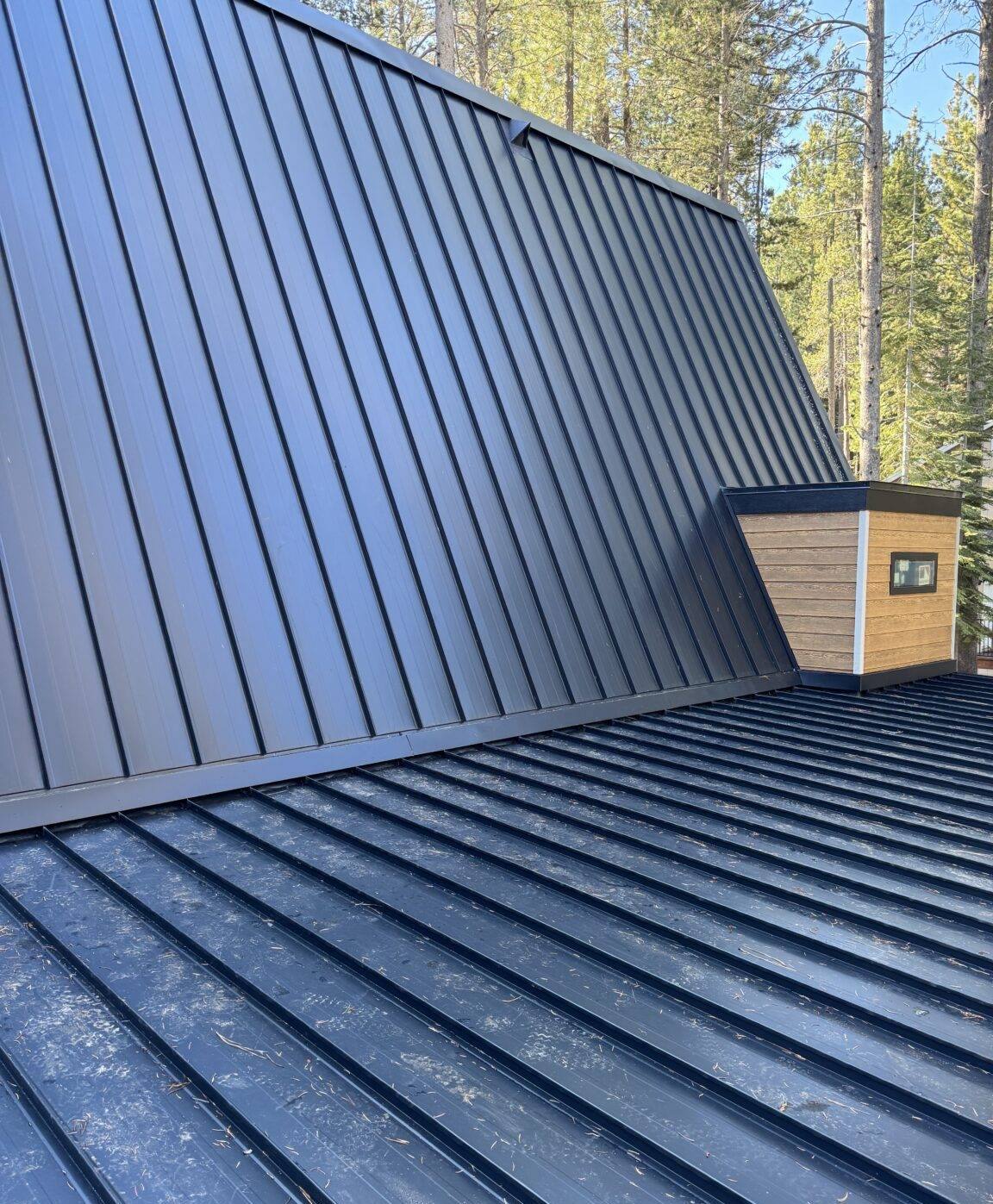
What Semiahmoo's Climate Does to a Roof
Salt Air and Metal Fatigue
Salt-laden air corrodes exposed metal faster than it does even a mile or two inland. Nails, flashing, gutter fasteners, and any exposed metal roofing components are all vulnerable. On an older roof, this often shows up as rust streaking below flashing points or fasteners that have backed out because the metal underneath has weakened. Repairs in this zone call for corrosion-resistant fasteners and flashing metals as a baseline, not an upgrade.
Driving Rain and Wind-Driven Water
Storms coming off the water don't just drop rain straight down — wind pushes it sideways and up under laps, edges, and flashing that would stay dry in a calmer setting. This is why leaks at Semiahmoo homes so often show up at valleys, chimney flashing, and roof-to-wall transitions rather than in the open field of the roof. A repair that only patches the visible gap without addressing how water moves in wind-driven conditions tends to fail again at the next storm.
A Long Moss Season
Shade from mature trees, marine humidity, and mild winters add up to a moss season that runs longer here than in drier parts of Whatcom County. Moss holds moisture against shingles and shakes, lifts edges as it grows, and works its way under flashing over time. Left unchecked, it accelerates granule loss on asphalt shingles and rot on wood roofing — turning what could have been a simple repair into a much bigger one.
Signs a Semiahmoo Roof Needs Repair
Most roof problems give some warning before they become an active leak. Worth checking for, especially after a windy winter:
- Water stains or discoloration on interior ceilings, especially near chimneys or where roof planes meet
- Shingles that are cracked, curling at the edges, or visibly missing granules
- Moss growth along shaded slopes, in valleys, or wherever branches overhang the roof
- Rusty streaking below metal flashing, vents, or gutter fasteners
- Soft or spongy spots when walking the roof, which usually mean decking damage underneath
- Daylight visible through the attic roof deck, or damp insulation near the eaves
- Granules collecting in gutters or at the base of downspouts
None of these automatically mean a full replacement is needed. Most start as a targeted repair — but the sooner they're addressed, the smaller that repair stays.
What a Correct Repair Actually Involves
A roof repair done right isn't just swapping out a damaged shingle or squeezing in a bead of sealant. It starts with figuring out why the damage happened in the first place — otherwise the same spot fails again in a season or two. On a Semiahmoo home that typically means:
- Tracing the water path. A leak rarely shows up directly below where water is actually entering. We follow the path from the interior stain back to the true entry point, which is often a flashing detail, not the shingles themselves.
- Checking the decking. Any area that's stayed wet for a while needs the roof deck inspected for soft spots or rot before new roofing goes back down. Covering over damaged decking just hides the problem.
- Matching materials correctly. Replacement shingles, flashing metal, and fasteners need to be compatible with what's already on the roof — both for appearance and so they age at a similar rate.
- Rebuilding flashing details properly. Valleys, chimneys, skylights, and wall transitions are where most Semiahmoo repairs actually happen, given how much wind-driven rain concentrates in those spots.
- Sealing and fastening for the exposure. Given the salt air here, we don't cut corners on fastener and flashing material just to save a few dollars on a small job.
Common Repair Types We Handle
Not every repair is the same scope of work. Here's how the most common ones typically break down:
| Repair Type | Typical Cause | What's Involved |
|---|---|---|
| Localized shingle replacement | Wind damage, impact, or age-related cracking | Removing and replacing damaged shingles, checking underlayment beneath |
| Flashing repair or rebuild | Wind-driven rain intrusion at valleys, chimneys, or walls | Removing old flashing, correcting the water path, installing new corrosion-resistant flashing |
| Moss and debris remediation | Shaded slopes, overhanging trees, long wet season | Careful removal, treatment, and addressing any granule or decking damage moss has caused |
| Deck repair | Prolonged hidden leak | Removing affected roofing, replacing rotted decking, re-roofing the section |
| Fastener and seal maintenance | Corrosion from salt air over time | Replacing degraded fasteners and resealing penetrations with marine-appropriate materials |
Repair vs. Replacement: What Actually Drives the Decision
Homeowners often ask whether a given problem is "worth fixing" or a sign the whole roof needs to come off. It usually comes down to a few honest factors, not a single rule of thumb:
| Factor | Leans Toward Repair | Leans Toward Replacement |
|---|---|---|
| Age of roof | Well within expected lifespan for the material | Already near or past typical service life |
| Extent of damage | Isolated to one area or detail | Spread across multiple slopes or repeated failures |
| Decking condition | Solid, no widespread rot | Soft or rotted decking in several areas |
| Repair history | First or infrequent issue | Same area has needed repeated patching |
| Moss/algae condition | Surface growth without granule loss | Significant granule loss or lifted shingles from moss |
We'll always tell you plainly which side of that line your roof falls on, and why — including when a repair is genuinely the right call and a replacement would be spending money you don't need to spend yet.
Our Repair Process
For a Semiahmoo roof repair, our approach is straightforward:
- On-site inspection. We look at the roof from both the exterior and, when relevant, the attic side to understand the full extent of the issue before quoting anything.
- Plain-language explanation. You'll hear what we found, what's causing it, and what the repair actually involves — no vague line items.
- Written estimate. A clear scope and price before any work starts, with options laid out if there's more than one reasonable path forward.
- The repair itself. Done with materials suited to a marine, high-moisture environment, not generic minimum-grade parts.
- Final walkthrough. We show you what was done and what to watch for going forward, especially heading into the next wet season.
Why It Matters to Hire a Crew That Already Works Semiahmoo
Roofing crews that mostly work drier, inland areas don't always think first about corrosion-resistant flashing, wind-driven water paths, or how aggressively moss grows on a shaded, waterfront-adjacent roof. A crew that regularly works Semiahmoo and the broader Birch Bay area already knows which flashing details tend to fail here, which slopes hold moss longest, and how to sequence a repair so it survives the next series of storms off the bay — not just look fixed on a dry afternoon. That local familiarity with Whatcom County's marine climate is part of what separates a repair that lasts from one you'll be paying for again in two years.
Maintaining a Repair Once It's Done
A few simple habits go a long way toward protecting the work and the rest of the roof:
- Keep overhanging branches trimmed back to cut down on shade and debris buildup
- Clear gutters and valleys before the fall rains set in
- Have moss treated before it spreads across a full slope, not after
- Take a look at flashing and fasteners every year or two, given how salt air accelerates wear
- Address small leaks right away — they rarely stay small on their own
Get a Free, No-Pressure Estimate
If you're seeing signs of trouble on a Semiahmoo roof — a stain on the ceiling, moss creeping across a slope, or flashing that's starting to look rough — it's worth having it looked at before the next round of weather off the bay. We'll give you a straight answer on what's going on and what it'll take to fix it, with no pressure either way. Use the form below to request a free estimate.