 Birch Bay Roofing
 Storm Damage Repair for Blaine Homes
Blaine sits right on the water at the top of Whatcom County, and that location comes with a specific kind of weather punishment. Storms roll in off the Strait of Georgia and Semiahmoo Bay with driving, sideways rain and gusts that don't let up for hours. Add in a salt-laden marine air that never fully dries out and a moss season that stretches most of the year under the region's cloud cover, and you get roofs that take damage in ways a inland home twenty miles east simply doesn't see. Storm damage repair here isn't a generic patch job — it's a repair that has to account for what the coast does to a roof between storms, not just what the storm itself did.
This page covers what storm damage actually looks like on a Blaine roof, what a correct repair involves, and how our process works when you call us after a rough night of weather.
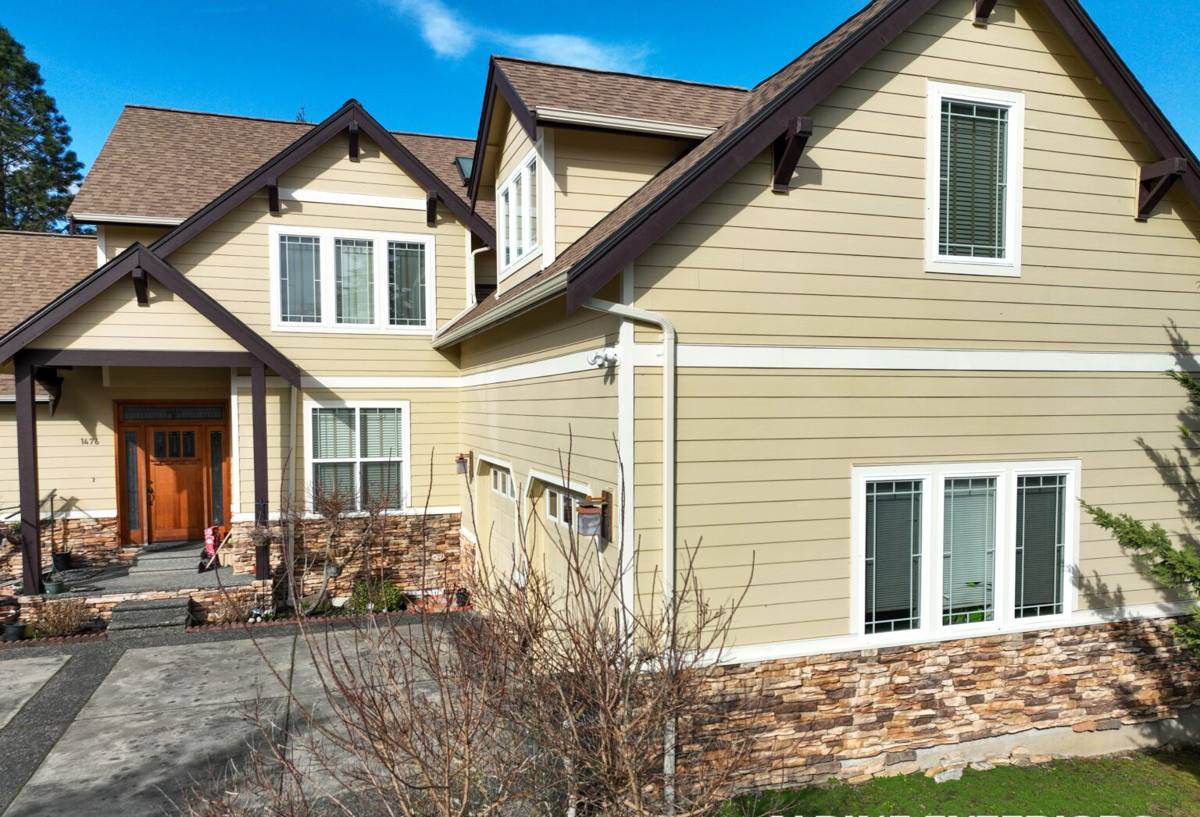
What Storm Damage Looks Like on a Blaine Roof
Wind-Driven Rain Intrusion
The most common call we get after a storm isn't missing shingles — it's water showing up inside the house where it never has before. Sustained wind pushes rain sideways and uphill under shingle tabs, around chimney flashing, and into vents that are rated for normal weather but not for hours of horizontal rain. The roofing itself can look fine from the ground while water is already tracking into the attic.
Lifted, Cracked, or Missing Shingles
Repeated wind gusts work shingle tabs loose over several storms before one finally tears them free. If your roof is missing shingles after a blow, it's very likely that neighboring shingles are already cracked or partially lifted and will fail in the next event even though they're still technically in place.
Impact and Debris Damage
Fir and cedar limbs come down hard in coastal wind events, and even a glancing hit can crack a shingle, dent metal flashing, or knock a chimney cap loose. Debris damage is often smaller and more localized than wind damage, but it opens the same door for water intrusion if it's ignored.
Hidden Moisture Damage
Because of how humid this climate stays, a small leak doesn't dry out between storms the way it might in a drier region. Sheathing can stay damp for weeks, which is exactly the condition that leads to rot and mold if a repair only addresses the surface problem.
Why Blaine's Coastal Exposure Changes the Repair
Salt Air and Fastener Corrosion
Homes close to the water take on a fine layer of salt in the air that accelerates corrosion on exposed metal — nail heads, flashing edges, and gutter hardware in particular. A storm repair that reuses corroded fasteners or patches around already-failing flashing is a short-term fix. Part of doing this correctly in Blaine is checking the condition of the metal and fasteners around the damage area, not just the shingles.
Prevailing Wind and Exposure
Which side of a roof takes the worst punishment depends on how a house sits relative to the water and the tree line around it. We look at exposure — not just the damaged section — because a roof that's taken one storm hit on its windward slope is a candidate for more of the same on that same slope in the next event, and the repair scope should reflect that.
Moss and Organic Growth After a Storm
Storm damage and moss growth compound each other here. Wind can lift shingle edges just enough for moss and debris to start collecting underneath, holding moisture against the roof deck long after the storm has passed. Any storm repair should include clearing organic growth and debris from the repair area, not just patching over it.
What a Correct Storm Damage Repair Involves
A storm repair done right goes past the spot that's obviously damaged. Here's what we check on every call:
- Full slope inspection — not just the damaged shingles, but the surrounding field and the opposite slope if wind direction suggests hidden damage there too
- Underlayment condition beneath the damaged area, since wind-driven rain often gets past shingles before the underlayment fails
- Flashing at every penetration near the damage — chimneys, vents, skylights — since these are the first points to fail under sustained wind
- Fastener and metal condition, given how salt air accelerates corrosion near the water
- Attic-side inspection for moisture staining, insulation damage, or early mold, especially if the damage has been present more than a few days
- Matching materials as closely as possible so the repair doesn't stand out or create a new weak seam
Skipping any one of these is how a "repaired" roof ends up leaking again in the next storm, just in a slightly different spot.
Our Process
1. Inspection and Documentation
We start by getting on or above the roof to document the actual damage — photos, the scope of affected area, and anything that looks like it's heading toward failure even if it hasn't leaked yet. This documentation is also what you'll want if you're filing an insurance claim.
2. Honest Scope and Estimate
We tell you what actually needs to be repaired versus what's cosmetic, and we're upfront when a repair is genuinely the right call versus when the damage is extensive enough that replacement makes more financial sense. No pressure toward the bigger job if a solid repair will do.
3. The Repair Itself
We remove and replace damaged materials down to sound decking, address flashing and underlayment in the affected area, and match shingle or material type as closely as available product allows. We don't cover over damp decking — if the sheathing took on water, it gets dried out or replaced before anything goes back down.
4. Cleanup and Follow-Up
Debris is cleared from the roof and gutters before we leave, since leftover debris is exactly what traps moisture and feeds moss growth after we're gone. We're a local crew, so a follow-up call after the next hard rain isn't an inconvenience — it's part of standing behind the work.
Repair or Replace? What Actually Decides It
Not every storm-damaged roof needs full replacement, and not every "simple" repair should stay a repair. Here's how we think through it:
| Factor | Repair Is Usually Enough | Replacement Is Worth Considering |
|---|---|---|
| Age of roof | Under 10-12 years, otherwise sound | Nearing or past expected lifespan |
| Extent of damage | Isolated to one section or slope | Multiple slopes or widespread lifted shingles |
| Underlying deck condition | Dry, solid sheathing under the damage | Soft spots or rot found during inspection |
| Material availability | Matching shingles still available | Discontinued product, visible patchwork unavoidable |
| Storm history | First event of this kind for the roof | Repeated storm damage over recent years |
We'll walk you through where your roof lands on these factors rather than defaulting to whichever answer is more profitable for us.
What To Do in the First 24-48 Hours After a Storm
- Photograph any visible damage from the ground — don't climb a wet, wind-damaged roof yourself
- Check the attic and upper ceilings for staining, drips, or a musty smell
- Have a tarp placed over active leaks only if it can be done safely, or call a crew that can
- Clear obvious debris from gutters and downspouts at ground level if it's safe to reach
- Call a local, licensed roofer for an inspection before signing anything with a storm-chasing crew from out of the area
- Keep any photos and notes for your insurance file, including the date and approximate time of the storm
Why a Crew That Already Works Blaine Matters
Storm damage repair isn't just a technical skill — it's a familiarity skill. A crew that already works this stretch of Whatcom County coastline knows what a Blaine roof looks like after a real blow versus a roof that's been slowly failing from salt air and moss for years before the storm gave it an excuse to leak. That distinction changes the repair scope, and getting it wrong means paying twice.
It also matters for response time. After a widespread storm, every roofing company in the region gets calls at once. A local crew based near Birch Bay isn't driving in from another county to reach you — we're already in the area, which means faster tarping, faster inspection, and less time for a small leak to become a bigger repair.
If your roof took a hit in the last storm, or you're not sure whether what you're seeing is storm damage or a longer-running problem, we're glad to take a look. Reach out for a free, no-pressure estimate using the form below.